Found a WYE chapter at your school
Bring economic discussion, writing, data, and research into your school community. WYE school chapters give students an organisational frame for exploring real questions together and sharing results responsibly.

What a chapter can organise
These nine kinds of activity are what chapters run most often, and they can be combined freely according to the size of the school, the interests of the members, and the rhythm of the term. Each comes with templates and process notes from WYE; a chapter need not run all of them — doing one or two well is worth more than attempting every one.

Every two or three weeks, read one article, one textbook chapter, or one policy report; a member leads and brings three discussion questions. The best first regular activity a chapter can run: lowest cost, and the quickest way to build a steady group.

Take one current story — a rate decision, a tariff, employment figures, local public finance — spend ten minutes establishing the facts, then discuss the mechanism and the costs behind it. Members must separate what is known from what they judge.

From choosing a subject and framing a question to finding evidence and revising, walk members through a short paper end to end, then have them read each other’s work. Maps directly onto the WYE competition marking criteria, so practice has a real standard.

Give a group one public dataset and one question, and a fixed window to clean it, chart it, and write a one-page conclusion. The point is not technical flourish but stating the source, the definitions, and the uncertainty plainly.
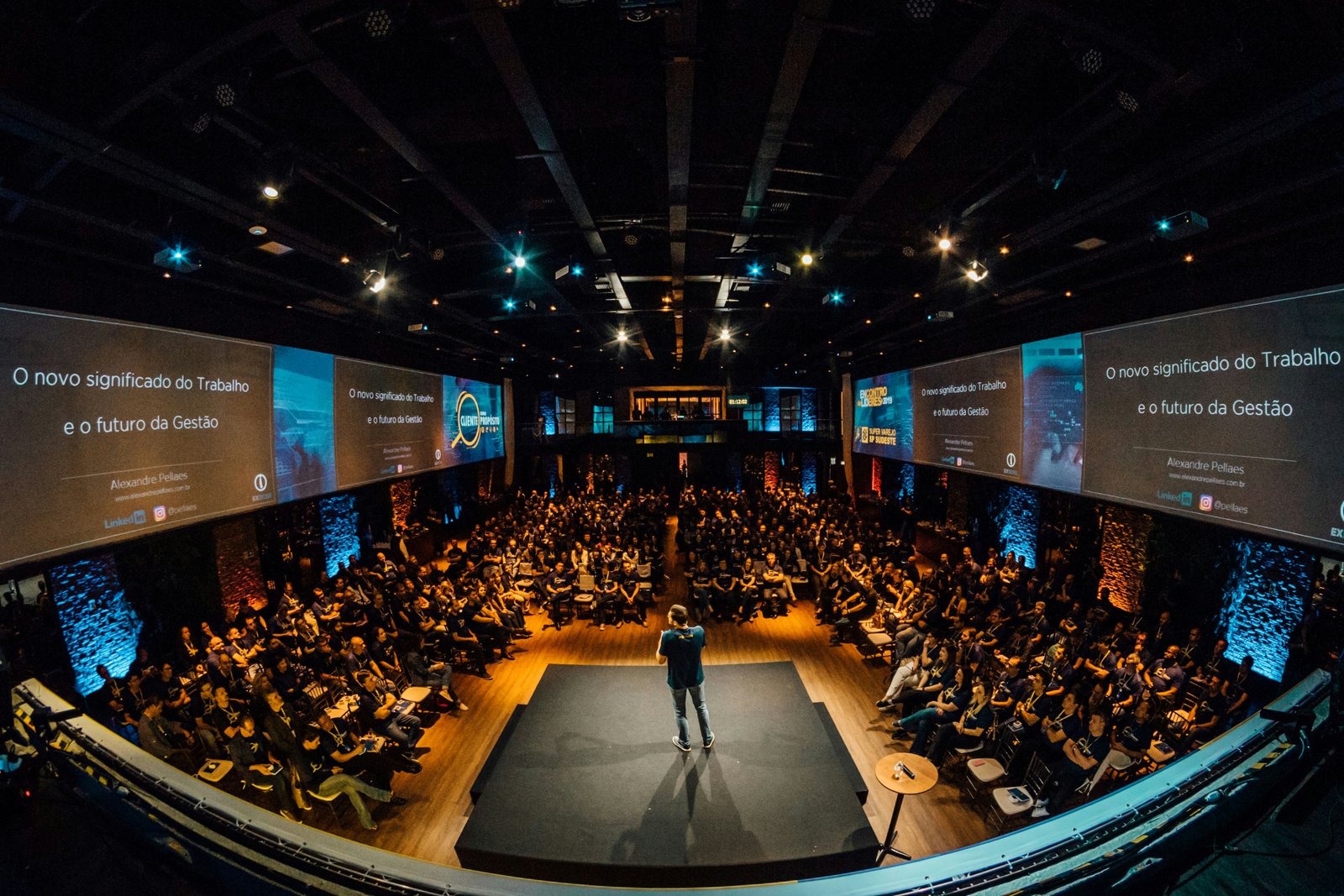
Two sides prepare arguments on one specific policy, and each must state the strongest point on the other side before closing. The aim is not to win but to understand the trade-off and who bears it.

Invite researchers, teachers, practitioners, or alumni for a talk, a Q&A, or a career session. The chapter handles contact, venue, question preparation, and the write-up afterwards; WYE can help with introductions and provide invitation templates.

Run an economics journal or column inside the school: appoint editors, set review and correction procedures, and hold authorship and citation to the standards of a real journal. Strong pieces can be recommended into WYE’s public publication pathway.

Members take ten minutes to state their research question, method, and open problems, and the room asks questions along a fixed set of dimensions. It is the single most effective step from half-finished work to a finished paper, and it leaves a verifiable record of the chapter’s work.

Teach what you have learned to people outside the school: open sessions on basic economics and personal finance for younger students, parents, or community groups. Materials must be reviewed in advance and may contain no specific investment advice or commercial promotion.

How to actually start a student society at your school
Society rules differ a lot between schools, but the skeleton of the process is the same everywhere: learn the rules, assemble the people and the paperwork, then make the society real with a first term of actual activity. The four stages below are steps you can follow directly — but read your own Student Activities office’s current regulations first; this page is only a general reference.
- Find the “new society registration” section on the student activities site or in the student handbook, and write down the minimum membership, faculty adviser requirement, document checklist and application deadline
- Check whether a similar society already exists — a duplicate name or overlapping remit is the most common reason for rejection; if one exists, consider running as a research group inside it first
- Ask what resources you get: how to book rooms, whether you may recruit publicly, whether you may charge anything, whether you can open a society account
- Note the approval cycle. Most schools open registration only once or twice a year — miss it and you wait a term
- Get 3–5 founders who will genuinely turn up, with roles agreed: lead, events, records, outside contact
- Invite a faculty adviser. Bring a one-pager: what the society does, how many events a term, and what you need from them (usually a signature and the occasional visit)
- Collect the signatures registration requires, but don’t pad the list with people who won’t come — first-term attendance decides renewal
- Fix one weekly slot, avoiding exam weeks and the big societies’ regular times
- Constitution: name, purpose, membership, officer roles and how they are elected, meeting frequency, rules on money and handover, amendment procedure
- A term plan: specific dates, formats, expected numbers and rooms needed — far more likely to be approved than a statement of vision
- Budget: write it even if it is zero, stating how much you will request, what for, and whether there is outside funding
- Attachments as your school requires: adviser consent, founder list, non-discrimination and code-of-conduct undertakings
- Make the first event the kind that is easy to get right: one reading discussion or one in-school talk. Don’t open with a conference
- Keep a record every time: sign-in, short minutes, two or three photos. Renewal, funding applications and your own CV all depend on it
- Keep a shared folder with the constitution, minutes, templates and data sources, and hand it over intact
- Run a review at the end of term and elect next year’s lead. Societies usually die not from empty rooms but from a lead who graduates without a handover
Constitution and term-plan templates, a first-term activity list, reading lists and a directory of data sources, onboarding training for chapter leads, and contact with leads at other chapters. Registration at your school is still something the founding team has to complete under your school’s own rules.
Open resources →This playbook is a general reference and is not an interpretation of any school’s rules. Your student activities office’s current regulations take precedence.
What WYE provides
Approved chapters receive activity guides, templates, reading lists, brand materials, leader onboarding, and inter-chapter exchange. When funding allows, eligible chapters may apply for small event grants or programme support.
Chapter funding is never automatic. Support depends on open application, a reasonable budget, mission fit, prior activity, available funds, and approval, and may require receipts and activity reports.